
UPDATE: DOT says it has adequately addressed concerns raised by lawsuit and will continue work as planned
By CATHERINE KOZAK
By CATHERINE KOZAK
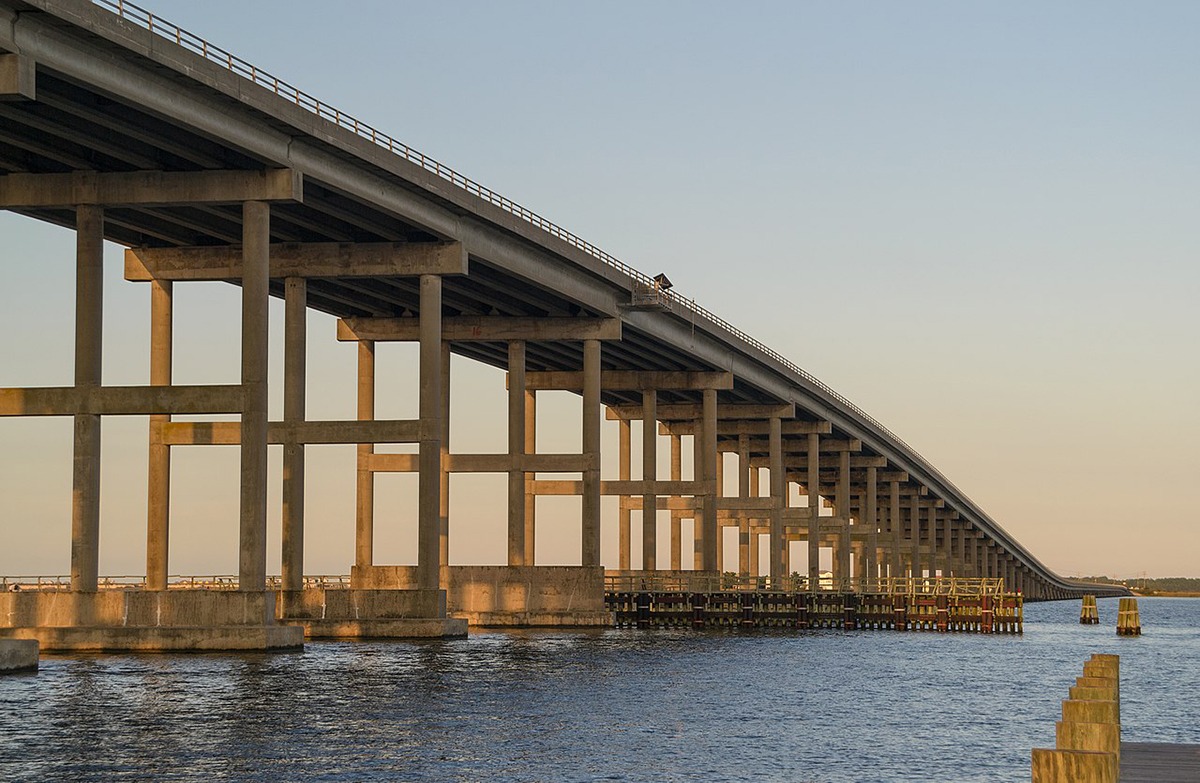
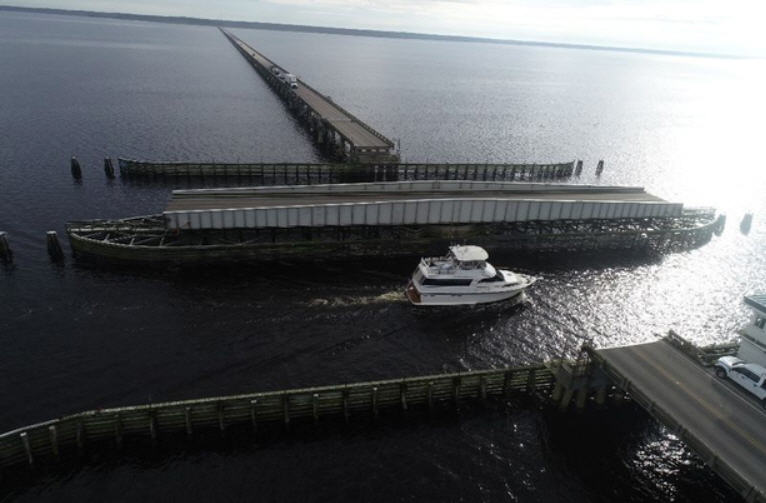
Despite a last minute lawsuit seeking to stop the Herbert C. Bonner Bridge replacement project, work will continue as planned unless a federal judge says otherwise, a spokesperson for the state Department of Transportation said on Wednesday.
“We’re going to stay on our timeline,” said Greer Beaty, DOT’s director of communications.
“Since it’s a design-build project, we think that is an appropriate course of action,” she added.
Bids have been submitted by three contractors, she said, and the bids will be opened on July 19. Once a contract is awarded, the contractor will start design of the bridge and start seeking necessary permits.
In the complaint filed in federal court on Friday — 10 days before the deadline allowing a challenge— the Southern Environmental Law Center, representing nonprofit environmental groups Defenders of Wildlife and the National Wildlife Refuge Association, contended that NCDOT and the Federal Highway Administration did not comply with federal environmental protection regulations in its choice of an alternative to replace the 49-year-old bridge over Oregon Inlet.
Beaty said that DOT was not surprised at the action, but that the agency does not doubt it has adequately addressed the concerns stated in the lawsuit.
“Everyone is confident we have studied everything we can possibly study,” she said.
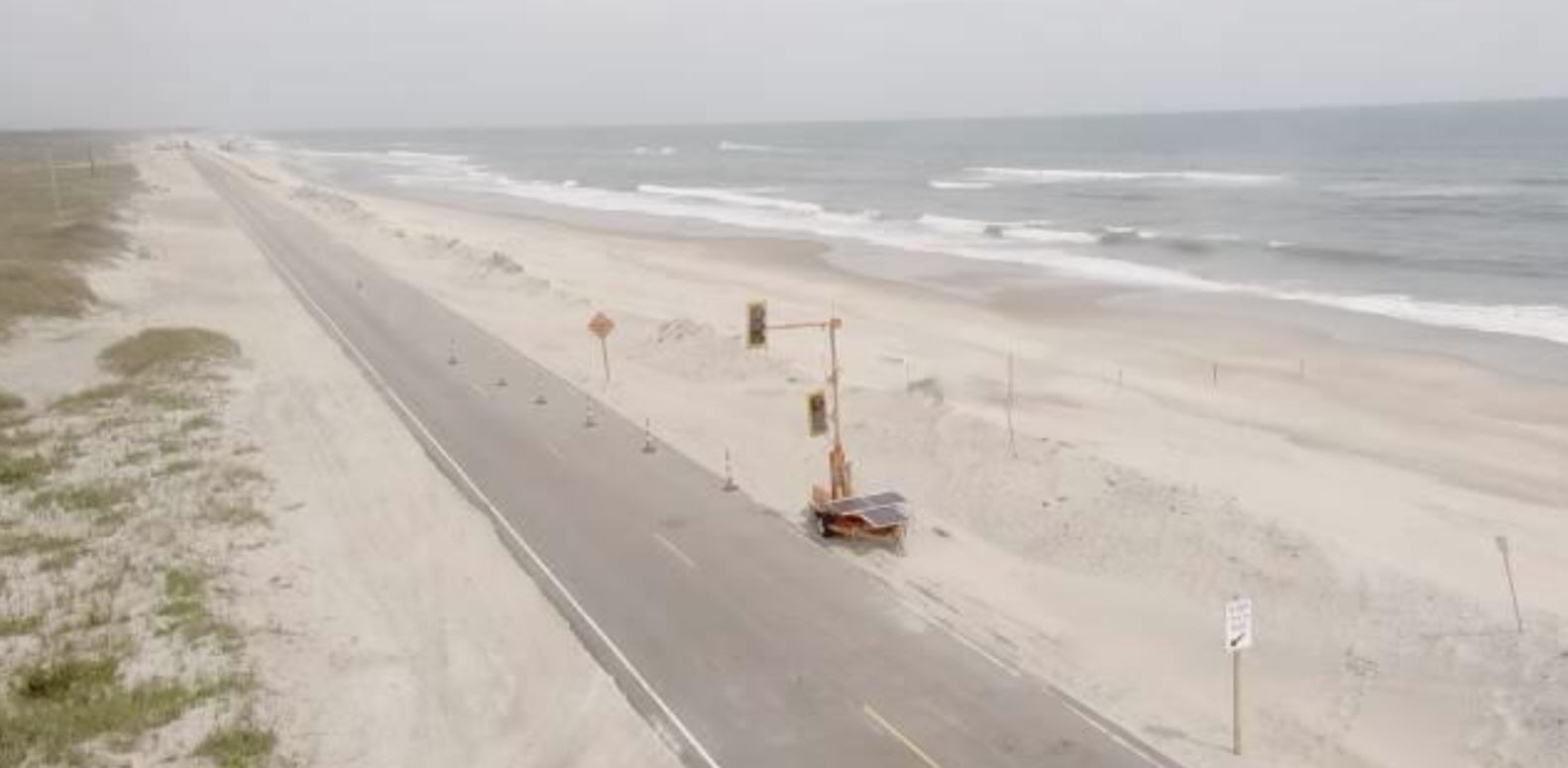
The bridge and 15 miles of highway between Bodie Island and Rodanthe is one of the most studied transportation corridors in the state, she said. Over more than two decades, the department has spent $16.6 million and issued seven different documents analyzing impacts of numerous alternatives.
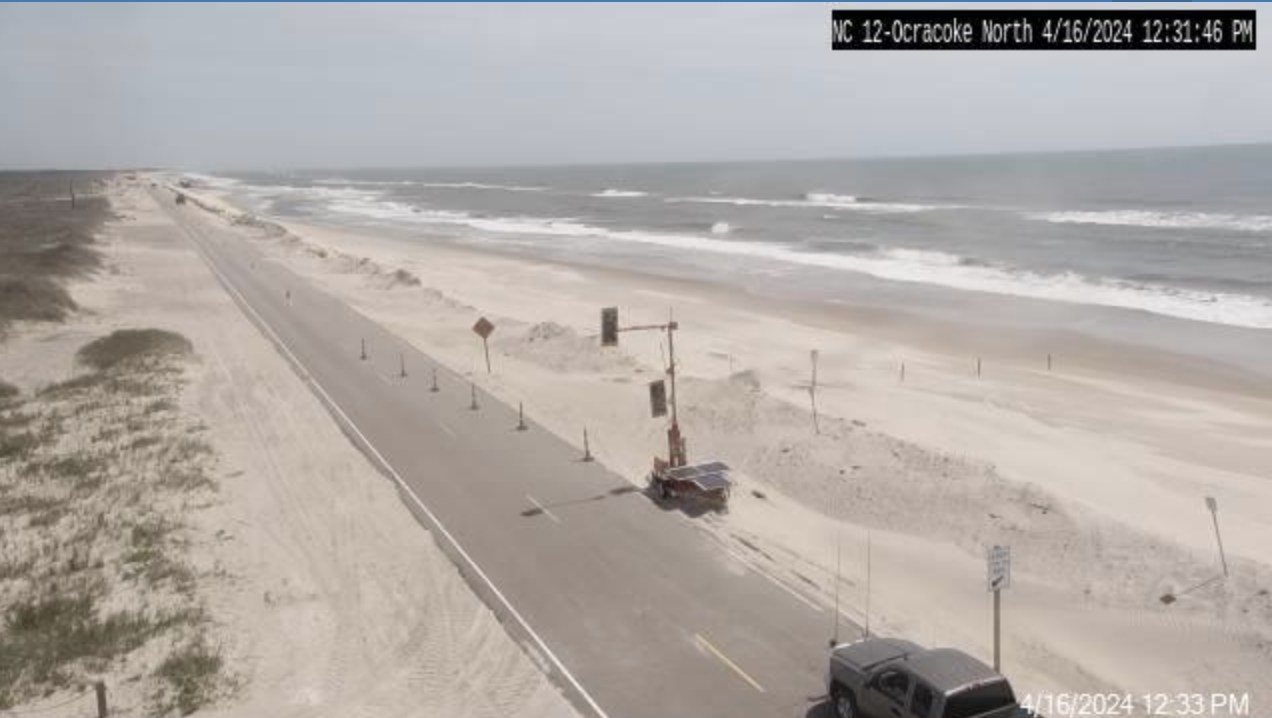
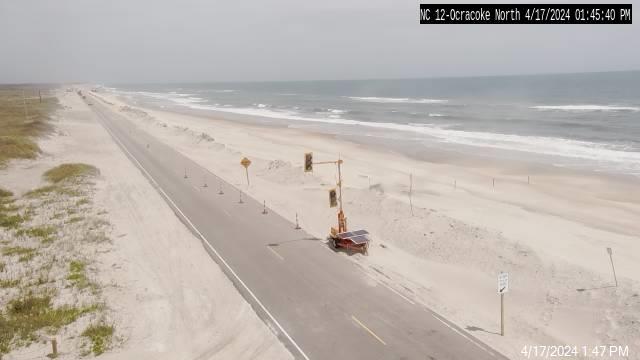
DOT announced a record of decision, the final step in the project’s planning phase, in December, effectively approving construction of a 2.7-mile bridge adjacent to the existing bridge, in addition to use of various remedies on Highway 12 through Pea Island National Wildlife Refuge as needed in the future.
Called the “Parallel Bridge Corridor with NC 12 Transportation Management Plan Alternative,” the project will cost $300 million for the initial phase that replaces the bridge.
But the plaintiffs’ attorneys say that the 17.5-mile alternative that bypasses Pea Island altogether, favored by environmentalists and refuge officials, was not studied as required by the National Environmental Policy Act, or NEPA. Nor, they contend, were other alternatives like high-speed ferries or tolling.
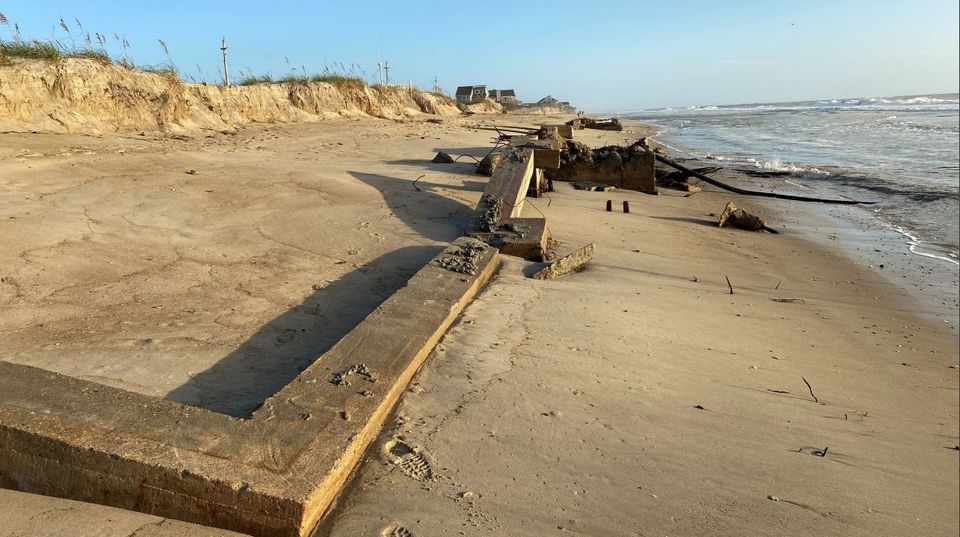
“The short parallel bridge simply doesn’t solve the problem. The reality is that Highway 12 will continue to wash out with every major storm and can’t remain in its current location,” Adam Kron, staff attorney for Defenders of Wildlife, said in a prepared statement.
“By punting necessary decisions to ‘later phases,’ NCDOT and the Federal Highway Administration have attempted to avoid controversy, but have ultimately done everyone a disservice. The Pea Island National Wildlife Refuge as well as the Hatteras residents and visitors deserve a reliable, safe and permanent solution.”
Much of the argument in the 42-page complaint is centered on the alleged failure of transportation officials to agree to build the long bridge, based on what the plaintiffs characterize as politics.
In addition to strong objections from Dare County residents and officials, DOT has said that upfront costs are too high — about $1.4 billion — for the long bridge. But the plaintiffs say that costs over 50 years are about the same for the short bridge when maintenance of the road is added to the tab.
Fault is also found with inadequate study of maintenance of the terminal groin on the south end of the inlet, including what the environmental groups contend is a decrease in habitat for birds; of impacts of noise and construction along Highway 12 on wildlife and habitat in the refuge; of long-term effects of sea-level rise on the shoreline; and of ways to mitigate adverse impacts of the project.
DOT’s spokesperson, however, said that if anything, the overriding threat of a lawsuit made the agency “work doubly hard” to be thorough.
“The reason there is a lawsuit is because there is a fundamental difference of opinion,” Beaty said. “At this point, our position is now it’s before a judge, and the judge will make the decision.”
Plaintiffs are seeking an injunction to stop the project until the NEPA regulations are complied with. The judge could dismiss the complaint, schedule a hearing, issue an order from the bench, or a combination of actions.
The case has been assigned to U.S. District Chief Judge Louise Wood Flanigan in New Bern. The summons served July 4 on the defendants must be answered within 21 days.
Subject
Name
(required, will not be published)
(required, will not be published)
City :
State :
Your Comments:
May be posted on the Letters to the Editor page at the discretion of the editor.
May be posted on the Letters to the Editor page at the discretion of the editor.
May be posted on the Letters to the Editor page at the discretion of the editor.
May be posted on the Letters to the Editor page at the discretion of the editor.