
By ANNE BOWERS
By ANNE BOWERS
By ANNE BOWERS
By ANNE BOWERS
As the skies darkened with the ominous approach of Hurricane Earl, many locals went to say goodbye to an old friend, the Frisco Pier.
In recent years, the Frisco Pier, also known as the Cape Hatteras Fishing Pier, has fallen into a state of disrepair which had kept it from opening for business the last two seasons. Each passing storm seemed to take another piece of the pier’s life.
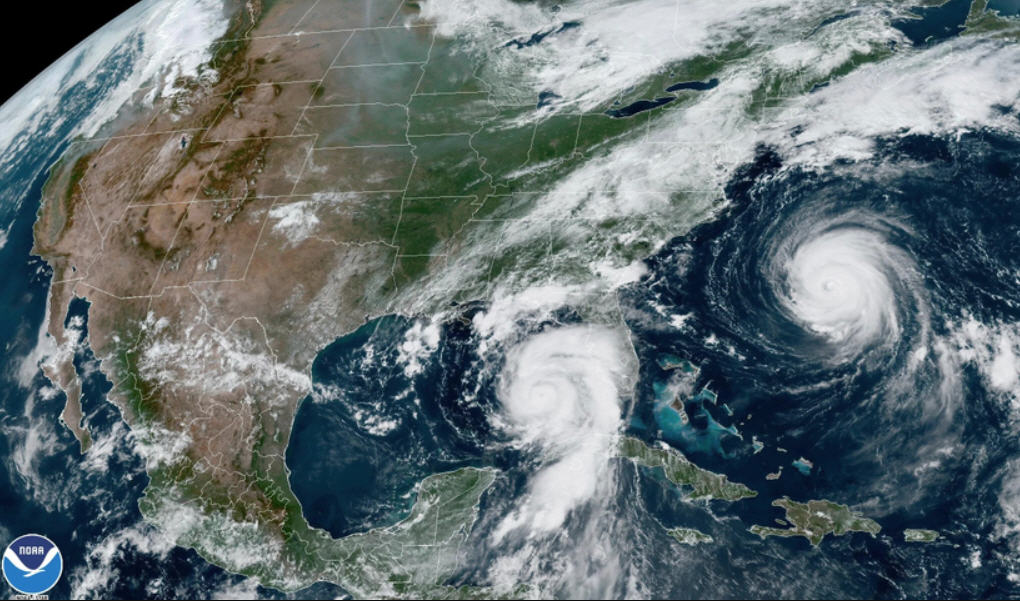
On the morning of Thursday, Sept. 2, islanders were told that Hurricane Earl had regained strength with winds once again blowing 145 miles per hour gusting to 170. Forecasters were now predicating that Hatteras Island could potentially get a direct hit. Even if the storm tracked a little east, many felt it was curtains for this island landmark.
Some people traveled to see the pier because of their affection for the dilapidated wooden structure, while others were hoping to witness the moment the pier finally succumbed to the wicked weather that often graces the Outer Banks.
How many would be able to say that they were there when the Frisco Pier fell in?
Through the day, there was a constant flow of people going to 54221 Cape Hatteras Pier Drive with cameras and video cameras. They mingled in the dunes and walked the beach in both directions. It was a social gathering as friends, neighbors, and acquaintances who were catching up and remembering goods times that centered around the pier.
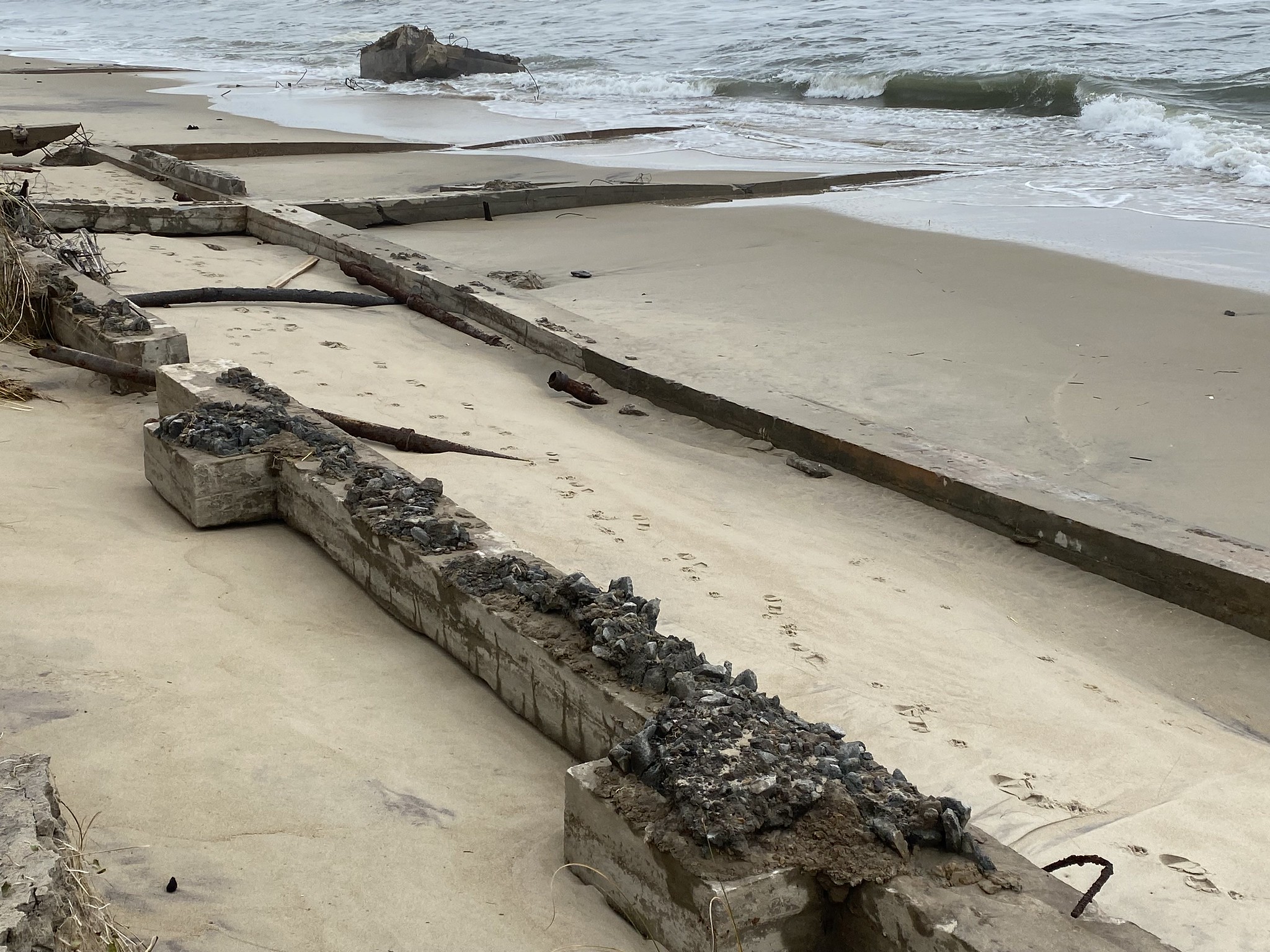
Around 2 p.m., following a series of creaking and splitting wood, a large section in the middle of the pier crashed into the ocean as its admirers recorded the moment. Three pilings had broken and everything they supported washed to shore. Piles of wood banged against the dunes as the ocean reached high tide. Some unsuspecting walkers were knocked down by the pier’s remains with only their pride hurt.
Talk began of making friendly wagers as to who would correctly guess what the time the pier would be taken by Hurricane Earl. Notice that it was “when” it would fall, not if. With Earl being a nocturnal storm, most felt that it would happen overnight and no one would be able to witness the event.
Throughout the afternoon, the pier continued to fall apart, board by board. As the first heavy rain bands drenched the area, the pier looked like it was held together with bubble gum and tape. How it remained connected and standing seemed nothing short of a miracle.
What would it look like at dawn?
Before the Frisco Pier, the Cape Hatteras Lighthouse was the measuring stick of a serious storm. For Hurricane Gloria in 1985, National Geographic traveled to Buxton to spend a sleepless night at the Cape Pines Motel so they could capture the moment the lighthouse fell victim to the violent ocean. They left the island disappointed because the black-and-white sentinel stood tall as Gloria passed by. In 1999, it was relocated to a safer location away from the ocean’s edge.
Then the Serendipity house in Rodanthe became the next measure of a storm’s fury. Since 1988, the now famous Serendipity greeted friends and visitors has they traveled south onto Hatteras Island. It was the first house on the ocean and was totally unique in its architecture. This house was made nationally famous when it was used in the movie “Nights in Rodanthe.”
Over time, the ever hungry ocean ate away the house’s sandy base and left it uninhabitable and listing. As every storm passed, people wanted to know if Serendipity was still standing. It, too, was moved to safety in January of this year, leaving the Frisco pier as the new storm benchmark to watch.
Built upon the beautiful and pristine white sands of the South Beach in Frisco, the pier with its distinctive, yet quaint, yellow building on top has been a favorite for fishermen and surfers alike with the Cape Hatteras Lighthouse in easy view.
If Hurricane Earl sends the pier to its watery death, it will certainly be missed.
Click Here To View Slide Show.
As the skies darkened with the ominous approach of Hurricane Earl, many locals went to say goodbye to an old friend, the Frisco Pier.
In recent years, the Frisco Pier, also known as the Cape Hatteras Fishing Pier, has fallen into a state of disrepair which had kept it from opening for business the last two seasons. Each passing storm seemed to take another piece of the pier’s life.
On the morning of Thursday, Sept. 2, islanders were told that Hurricane Earl had regained strength with winds once again blowing 145 miles per hour gusting to 170. Forecasters were now predicating that Hatteras Island could potentially get a direct hit. Even if the storm tracked a little east, many felt it was curtains for this island landmark.
Some people traveled to see the pier because of their affection for the dilapidated wooden structure, while others were hoping to witness the moment the pier finally succumbed to the wicked weather that often graces the Outer Banks.
How many would be able to say that they were there when the Frisco Pier fell in?
Through the day, there was a constant flow of people going to 54221 Cape Hatteras Pier Drive with cameras and video cameras. They mingled in the dunes and walked the beach in both directions. It was a social gathering as friends, neighbors, and acquaintances who were catching up and remembering goods times that centered around the pier.
Around 2 p.m., following a series of creaking and splitting wood, a large section in the middle of the pier crashed into the ocean as its admirers recorded the moment. Three pilings had broken and everything they supported washed to shore. Piles of wood banged against the dunes as the ocean reached high tide. Some unsuspecting walkers were knocked down by the pier’s remains with only their pride hurt.
Talk began of making friendly wagers as to who would correctly guess what the time the pier would be taken by Hurricane Earl. Notice that it was “when” it would fall, not if. With Earl being a nocturnal storm, most felt that it would happen overnight and no one would be able to witness the event.
Throughout the afternoon, the pier continued to fall apart, board by board. As the first heavy rain bands drenched the area, the pier looked like it was held together with bubble gum and tape. How it remained connected and standing seemed nothing short of a miracle.
What would it look like at dawn?
Before the Frisco Pier, the Cape Hatteras Lighthouse was the measuring stick of a serious storm. For Hurricane Gloria in 1985, National Geographic traveled to Buxton to spend a sleepless night at the Cape Pines Motel so they could capture the moment the lighthouse fell victim to the violent ocean. They left the island disappointed because the black-and-white sentinel stood tall as Gloria passed by. In 1999, it was relocated to a safer location away from the ocean’s edge.
Then the Serendipity house in Rodanthe became the next measure of a storm’s fury. Since 1988, the now famous Serendipity greeted friends and visitors has they traveled south onto Hatteras Island. It was the first house on the ocean and was totally unique in its architecture. This house was made nationally famous when it was used in the movie “Nights in Rodanthe.”
Over time, the ever hungry ocean ate away the house’s sandy base and left it uninhabitable and listing. As every storm passed, people wanted to know if Serendipity was still standing. It, too, was moved to safety in January of this year, leaving the Frisco pier as the new storm benchmark to watch.
Built upon the beautiful and pristine white sands of the South Beach in Frisco, the pier with its distinctive, yet quaint, yellow building on top has been a favorite for fishermen and surfers alike with the Cape Hatteras Lighthouse in easy view.
If Hurricane Earl sends the pier to its watery death, it will certainly be missed.
Click Here To View Slide Show.
As the skies darkened with the ominous approach of Hurricane Earl, many locals went to say goodbye to an old friend, the Frisco Pier.
In recent years, the Frisco Pier, also known as the Cape Hatteras Fishing Pier, has fallen into a state of disrepair which had kept it from opening for business the last two seasons. Each passing storm seemed to take another piece of the pier’s life.
On the morning of Thursday, Sept. 2, islanders were told that Hurricane Earl had regained strength with winds once again blowing 145 miles per hour gusting to 170. Forecasters were now predicating that Hatteras Island could potentially get a direct hit. Even if the storm tracked a little east, many felt it was curtains for this island landmark.
Some people traveled to see the pier because of their affection for the dilapidated wooden structure, while others were hoping to witness the moment the pier finally succumbed to the wicked weather that often graces the Outer Banks.
How many would be able to say that they were there when the Frisco Pier fell in?
Through the day, there was a constant flow of people going to 54221 Cape Hatteras Pier Drive with cameras and video cameras. They mingled in the dunes and walked the beach in both directions. It was a social gathering as friends, neighbors, and acquaintances who were catching up and remembering goods times that centered around the pier.
Around 2 p.m., following a series of creaking and splitting wood, a large section in the middle of the pier crashed into the ocean as its admirers recorded the moment. Three pilings had broken and everything they supported washed to shore. Piles of wood banged against the dunes as the ocean reached high tide. Some unsuspecting walkers were knocked down by the pier’s remains with only their pride hurt.
Talk began of making friendly wagers as to who would correctly guess what the time the pier would be taken by Hurricane Earl. Notice that it was “when” it would fall, not if. With Earl being a nocturnal storm, most felt that it would happen overnight and no one would be able to witness the event.
Throughout the afternoon, the pier continued to fall apart, board by board. As the first heavy rain bands drenched the area, the pier looked like it was held together with bubble gum and tape. How it remained connected and standing seemed nothing short of a miracle.
What would it look like at dawn?
Before the Frisco Pier, the Cape Hatteras Lighthouse was the measuring stick of a serious storm. For Hurricane Gloria in 1985, National Geographic traveled to Buxton to spend a sleepless night at the Cape Pines Motel so they could capture the moment the lighthouse fell victim to the violent ocean. They left the island disappointed because the black-and-white sentinel stood tall as Gloria passed by. In 1999, it was relocated to a safer location away from the ocean’s edge.
Then the Serendipity house in Rodanthe became the next measure of a storm’s fury. Since 1988, the now famous Serendipity greeted friends and visitors has they traveled south onto Hatteras Island. It was the first house on the ocean and was totally unique in its architecture. This house was made nationally famous when it was used in the movie “Nights in Rodanthe.”
Over time, the ever hungry ocean ate away the house’s sandy base and left it uninhabitable and listing. As every storm passed, people wanted to know if Serendipity was still standing. It, too, was moved to safety in January of this year, leaving the Frisco pier as the new storm benchmark to watch.
Built upon the beautiful and pristine white sands of the South Beach in Frisco, the pier with its distinctive, yet quaint, yellow building on top has been a favorite for fishermen and surfers alike with the Cape Hatteras Lighthouse in easy view.
If Hurricane Earl sends the pier to its watery death, it will certainly be missed.
Click Here To View Slide Show.
Subject
Name
(required, will not be published)
(required, will not be published)
City :
State :
Your Comments:
May be posted on the Letters to the Editor page at the discretion of the editor.
May be posted on the Letters to the Editor page at the discretion of the editor.
May be posted on the Letters to the Editor page at the discretion of the editor.
May be posted on the Letters to the Editor page at the discretion of the editor.