
Guest Column: The questions to ask about the Pamlico wind-energy project
By TOM HRANICKA
By TOM HRANICKA
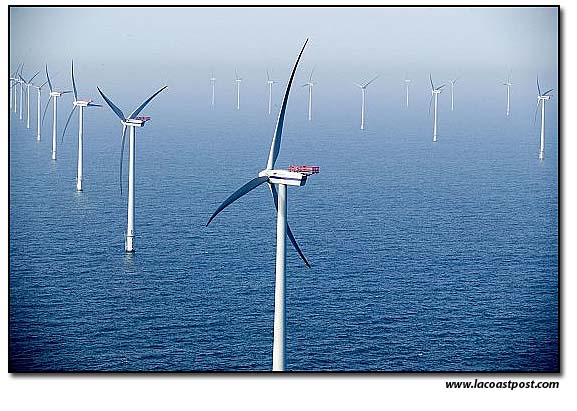
The U.S. Army Corps of Engineers is gearing up for an Environmental Impact Statement on Duke Energy Carolina’s proposal for a demonstration wind energy project that would place up to three power-generating wind turbines in the Pamlico Sound.
The project is proposed to be located within a three-square-mile area located about 7.3 miles west of Avon and 9.1 miles north of Frisco.
A public scoping meeting that will begin the work on the environmental study will be on Thursday, March 18, at 6 p.m. at the Dare County Administration Building in Manteo.
Background
In late September, residents of Hatteras Island attended a public meeting at which North Carolina Gov. Beverly Perdue, state Sen. Marc Basnight, state Rep. Tim Spear, a panel of scholars, and an executive from Duke Energy presented research supporting the construction of a wind turbine farm in the Pamlico Sound west of Avon, Buxton, and Frisco.
The details of extensive academic research were summarized, and cost/ benefit estimates were reviewed. The PowerPoint presentation given at the meeting can be viewed on the project Web site – www.climate.unc.edu/coastal-wind. (Some parts of the presentation have been noted as being out of date.)
The wind turbines would be visible from the shore, and the estimated height above water of each wind turbine would be about 500 feet. As presently envisioned, the final project could contain as many as 138 wind turbines, covering a 25- square-mile area of the Pamlico Sound.
No mention was made during the meeting of the fact that in late August, the state Senate voted overwhelmingly (42-1) to ban wind turbines from the state’s western mountains.
Comments, Observations, and Questions
The following comments, observations, and questions are based on a survey of news and Internet articles that have been written on the topic of wind energy. They are intended to present a variety of issues concerning wind energy as they have been stated by individuals and organizations that both support and oppose wind turbines as an alternate energy source.
There are three observations that stand out in my mind after having reviewed a large number of commentaries on wind energy.
There does not seem to be any middle ground among opinions about energy generated by wind turbines. People are either for it, or they are against it.
Reading the articles reminds me of legal trials in which one side presents an expert witness to justify their point, and then, the other side presents an equally qualified expert who refutes the point. In other words, it is difficult to know who to believe, and I have found no document that states irrefutable facts on which everyone is in agreement about wind turbines
Individuals who originally enthusiastically supported wind energy in their communities, express the feeling, after having lived with the projects, that they wish they had been more diligent in investigating the down sides of wind turbines before backing it so strongly.
The following lists summarize the main pros and cons that I have seen. There was no attempt to prioritize the lists or to support any particular viewpoint. The lists simply reflect the relative volume of topics on both positions.
Advocates of wind energy point out the following:
• Wind power is free
• Job creation
• Lower cost of electricity
• Clean source of energy, free of pollution
• Renewable source of energy that does not use fossil fuels
• Helps combat global warming
• Political benefits of backing an energy source that is currently riding a wave of popularity
• Possible revenue benefits to states and communities with wind energy facilities
Those who oppose wind energy identify these issues:
• Noise
• Medical problems
• Decreased property values
• Impact on fish, waterfowl, and migratory birds
• Impact on scenic views
• Wind energy is not a reliable, consistent source of electricity production
• Negative experiences with wind energy in foreign countries
• Cost of electricity increases not decreases
• Engineering obstacles
• Projects are abandoned when government grants and subsidies are decreased or eliminated
• Impact on tourism
• Job creation is temporary and overstated
• Ecological risks
• Wind energy does not actually reduce fossil fuel usage
• Limited regulation of wind energy industry
• Potential impact on cell phones, 911 service, etc.
• Wind turbines can be damaged or destroyed by storms
Questions that surround the Pamlico Sound project might include the following:
• What agencies/entities have regulatory authority over the project?
• What agencies/entities have jurisdiction over the waters in which the project is planned?
• Has Dare County developed regulations related to wind energy projects?
• Are there alternate locations for the project in Pamlico Sound that may not be optimal but that would eliminate many of the objections?
• Where will the land-based construction site for the project be located?
• How large will the land-based construction project be?
• Where will electricity come from when the wind is insufficient to have the wind turbines function effectively?
• What kind of lighting will be on the turbines?
• Would this project go forward if there were no federal/state subsidies, tax credits, and grants?
• If wind power is efficient and cost-effective, why are government subsidies necessary?
• If the project is not successful, who will be responsible for removing the wind turbines? Who has the authority to enforce removal of damaged or non-functioning wind turbines? Who will pay for the removal?
• Is there a publicly available list of campaign contributions from Duke Energy and wind energy lobbyists?
In a subsequent column, I will attempt to provide more detailed information concerning the topics identified above.
In summary, while we are in the early stages of the local wind turbine debate, and the United States has yet to implement an offshore wind energy project, there is a wealth of factual and anecdotal experiences from communities across the nation and in foreign countries.
Let’s follow the advice of others who have been in a similar situation, and regardless of which side of the issue we end up taking, let’s become educated on the subject of wind turbines so that intelligent dialogues can take place and informed decisions can be made.
See you in Manteo on March 18.
(For those who cannot attend the public meeting, written comments may be submitted until April 2nd. Comments may be sent to: U.S. Army Corps of Engineers, Wilmington District, Regulatory Division, Attn: File Number SAW 2009-01880, P.O. Box 1000, Washington NC 27889-1000. )
(Tom Hranicka is a long-time Hatteras Island resident who lives in Avon. He is a frequent contributor to The Island Free Press with articles about real estate.)
Subject
Name
(required, will not be published)
(required, will not be published)
City :
State :
Your Comments:
May be posted on the Letters to the Editor page at the discretion of the editor.
May be posted on the Letters to the Editor page at the discretion of the editor.
May be posted on the Letters to the Editor page at the discretion of the editor.
May be posted on the Letters to the Editor page at the discretion of the editor.